
Asean-Republic of Korea Think Tank Dialogue 2026: Strengthening connectivity and building resilient supply chains
12:09 - 20/07/2026
MSc. Tran Thi Phuong Thao
International Cooperation Commission- VIOIT
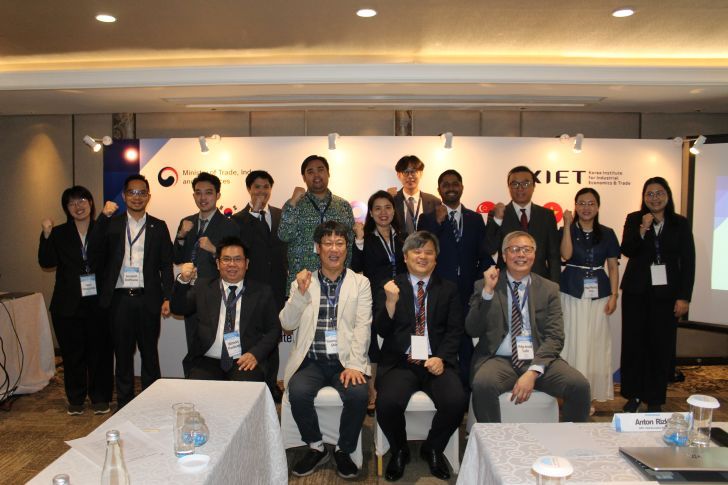
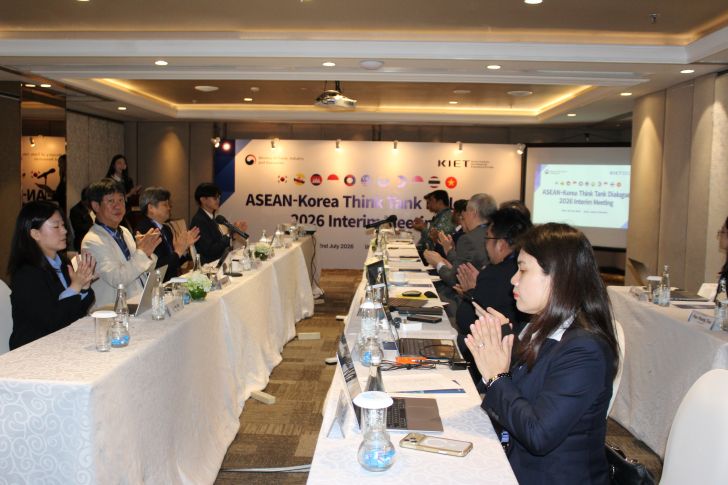
On 2 July 2026, in Jakarta, Indonesia, a working delegation from the Vietnam Institute of Strategy and Policy for Industry and Trade (VIOIT) participated in the Mid-term Conference of the ASEAN–Republic of Korea Think Tank Dialogue 2026. The event brought together representatives from the Korea Institute for Industrial Economics and Trade (KIET) and leading strategic research institutes from the 10 ASEAN Member States. At the conference, participants presented their national perspectives and development orientations within the region, while engaging in in-depth discussions to identify solutions for enhancing connectivity and strengthening the resilience of supply chains within the ASEAN Economic Community (AEC).
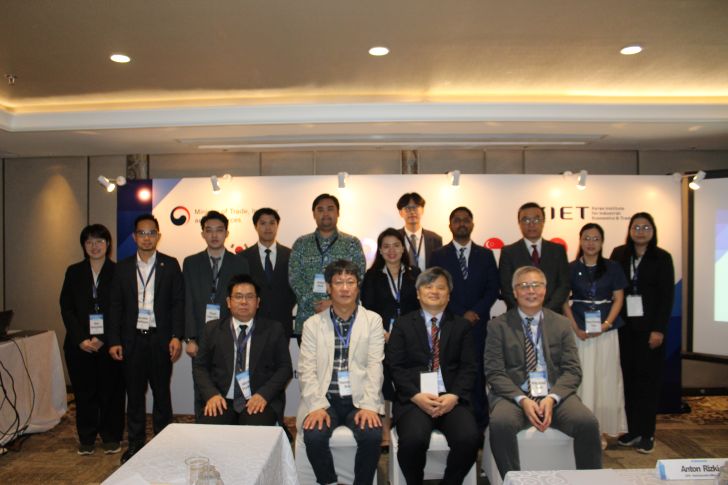
In his opening remarks, Mr. Lee, Vice President of KIET, underscored the importance of a strategic shift in the region. He noted that while activities in 2025 primarily focused on foundational research concerning ASEAN’s central role amid global crises, the focus in 2026 has become more action-oriented, with regional and international connectivity as the top priority. The core objective of this direction is to establish a robust economic security system, remove intra-regional trade barriers, and proactively address the risks of global supply chain disruptions.
Contributing to the overarching theme of the conference, Ms. Tran Thi Phuong Thao, representing VIOIT, delivered a presentation offering an in-depth assessment of Vietnam’s position within the ASEAN supply chain cycle. The report highlighted Vietnam’s strong breakthrough in trade scale, with total import-export turnover in 2025 reaching a record high of USD 930.05 billion. Notably, the electronics, computers and components group accounted for 22.7% of total trade value, underscoring Vietnam’s progress in moving beyond simple processing and assembling activities toward deeper participation in higher value-added stages of the supply chain.
Nevertheless, the presentation also frankly pointed out existing challenges. Vietnam and other ASEAN member states continue to face direct competitive pressure arising from the similarity of their production structures. The intra-regional trade deficit has persisted, reaching USD 10.3 billion in 2024, primarily driven by heavy reliance on imported raw materials and intermediate inputs.
In addition to competitive pressures, the logistics system remains a major bottleneck to intra-regional trade connectivity. Although Vietnam’s logistics sector is valued at approximately USD 40–42 billion annually, the development of logistics centers remains fragmented, accompanied by high costs and a shortage of high-quality human resources. Vietnam’s Logistics Performance Index (LPI) stood at 3.3 points in 2022; however, the customs criterion recorded the lowest score of only 3.1 points due to complex procedures and prolonged clearance times. To address this bottleneck, the study proposes accelerating cross-border infrastructure connectivity through the Vietnam–Laos–Northeastern Thailand road corridor to optimize transport time and costs. Concurrently, priority should be given to the development of green logistics and smart logistics, enhanced data sharing, and the application of digital technologies in ASEAN supply chain management.
Amid the fragmentation of supply chains driven by geopolitical competition, Vietnam recommends implementing a multilateral approach to strategic minerals. With approximately 5,000 mines and mineral occurrences (including bauxite, rare earths and coal), Vietnam holds a critical upstream position in high-technology supply chains. To optimize this advantage, Vietnam has proposed a concrete roadmap for the 2026–2030 period with three key priorities: first, in the immediate term, focus on digitizing and enhancing the transparency of geological data, and establishing a Rapid Response Group to promptly address bottlenecks and supply disruptions at logistics hubs; second, in the medium term, establish a joint R&D center with the Republic of Korea on advanced refining technologies, while applying Policy Sandbox mechanisms at ASEAN eco-industrial parks; and third, in the long term, implement circular industrial models (such as electric vehicle battery recycling) and integrate Blockchain technology for mineral traceability to meet stringent global ESG standards.
The active participation of the VIOIT representative in presenting and discussing at the forum once again reaffirms Vietnam’s strategic connectivity role, together with other member states, in realizing the goal of building a resilient and prosperous ASEAN Community. The highly practical recommendations put forward at this Mid-term Conference will serve as important inputs, contributing directly to the Joint Policy Recommendation Report of AKTD 2026, which is scheduled for release in November this year.